
About This Project
This website documents V‑1 and V‑2 weapon impacts in Belgium between 1944 and 1945. The map focuses on individual strike events: where an impact occurred, when it occurred, which weapon type is known, and what casualty information has been recorded.
Rather than presenting a narrative history, the goal of the project is practical: to assemble scattered historical records into a structured dataset that can be searched, mapped, and examined geographically.
Historical Context
After the liberation of Belgium in September 1944, German forces began deploying long‑range “V‑weapons” (Vergeltungswaffen, or “vengeance weapons”) in an attempt to disrupt Allied supply operations and particularly the vital port of Antwerp.
Two weapons were used in this campaign:
- V‑1 flying bombs – pulse‑jet powered cruise missiles launched from ramps or aircraft.
- V‑2 rockets – ballistic missiles travelling faster than the speed of sound and striking without warning.
Antwerp and Liège became major targets because of their strategic importance to Allied logistics. The bombardment continued until early 1945 and caused significant civilian casualties and damage across Belgium.
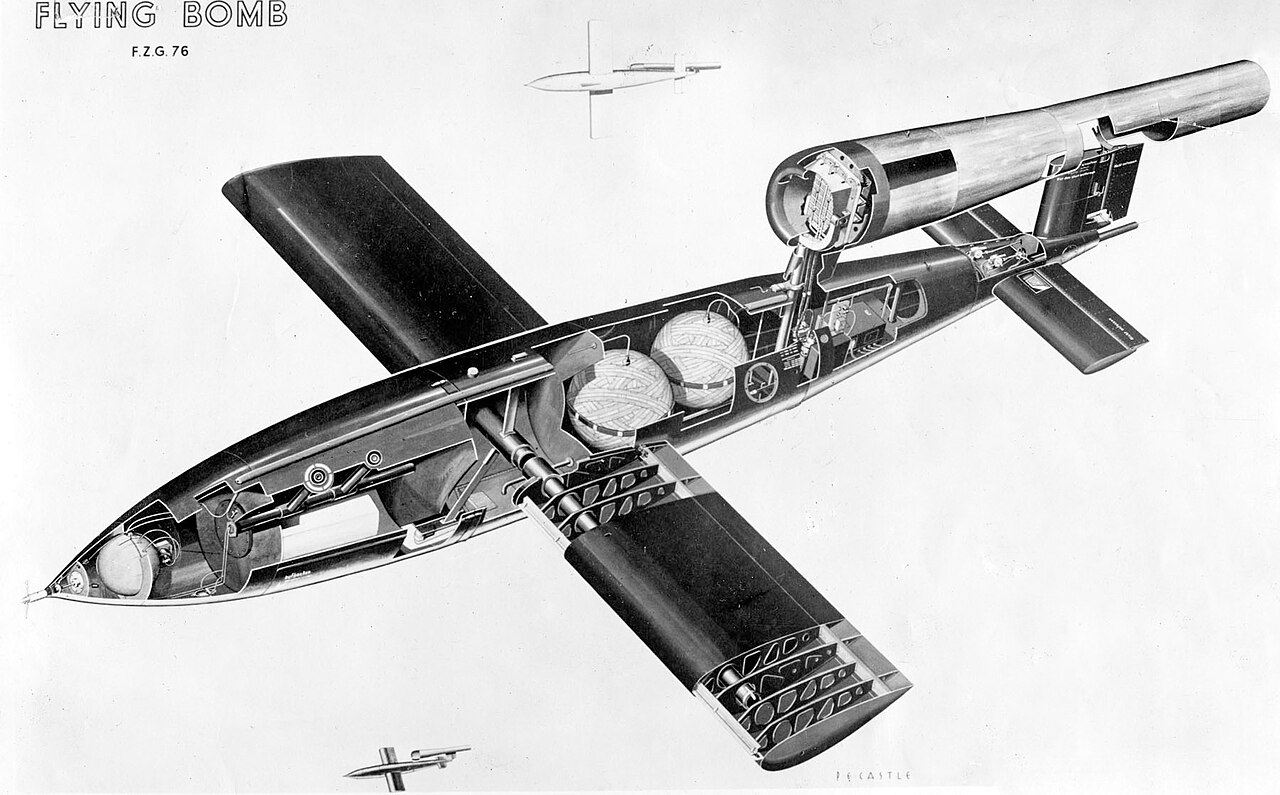
_in_flight.jpg)
.jpg)
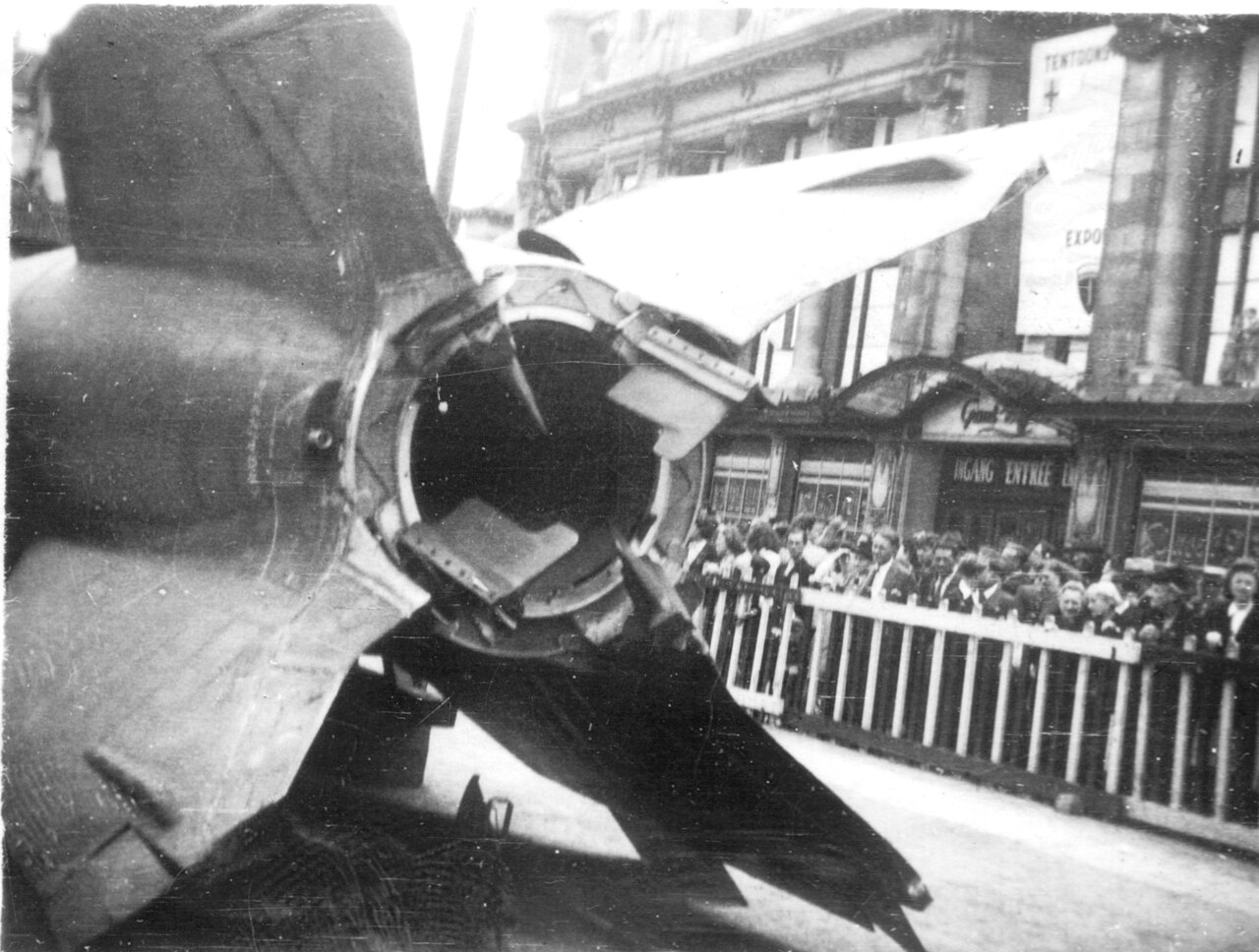
What the Map Shows
Each point on the map represents a documented V‑weapon impact in Belgium. Depending on the available source material, individual records may include:
- Date of the impact
- Location of the strike
- Weapon type (V‑1 or V‑2)
- Casualty figures
- Extracts from launch reports or local records
Many historical records remain incomplete or uncertain. Where information cannot be confirmed, the dataset preserves those uncertainties rather than replacing them with assumptions.
Purpose of the Dataset
The project aims to make dispersed archival information easier to explore and verify. By placing individual strike records into a consistent structure and geographic format, researchers and readers can examine patterns such as:
- distribution of impacts
- weapon type usage
- casualty concentrations
- regional differences in the campaign
Sources
The dataset presented on this website was compiled from multiple historical sources, including launch reports, police records, archival material, and published research on the V‑weapon campaign in Belgium.
Important reference material includes research by Belgian historian Pieter Serrien, as well as Allied military documentation and post‑war historical studies of the V‑weapon attacks.
The site assembles these sources into a standardized dataset so individual events can be mapped, compared, and examined in a transparent manner.
Limitations
This website should not be considered a complete record of every V‑weapon impact in Belgium. Surviving documentation is sometimes incomplete, inconsistent, or contradictory.
The dataset therefore represents a working compilation of available evidence rather than a definitive registry. Future updates may expand or refine the records as additional sources become available.